
Exploring material, form, and the art of living with considered objects.
The Material Edit

How to Choose a Picture Frame Material: Weight, Movement and What Sits Behind the Photograph
A frame’s material decides where it can stand; what sits behind the photograph decides how long the photograph lasts.
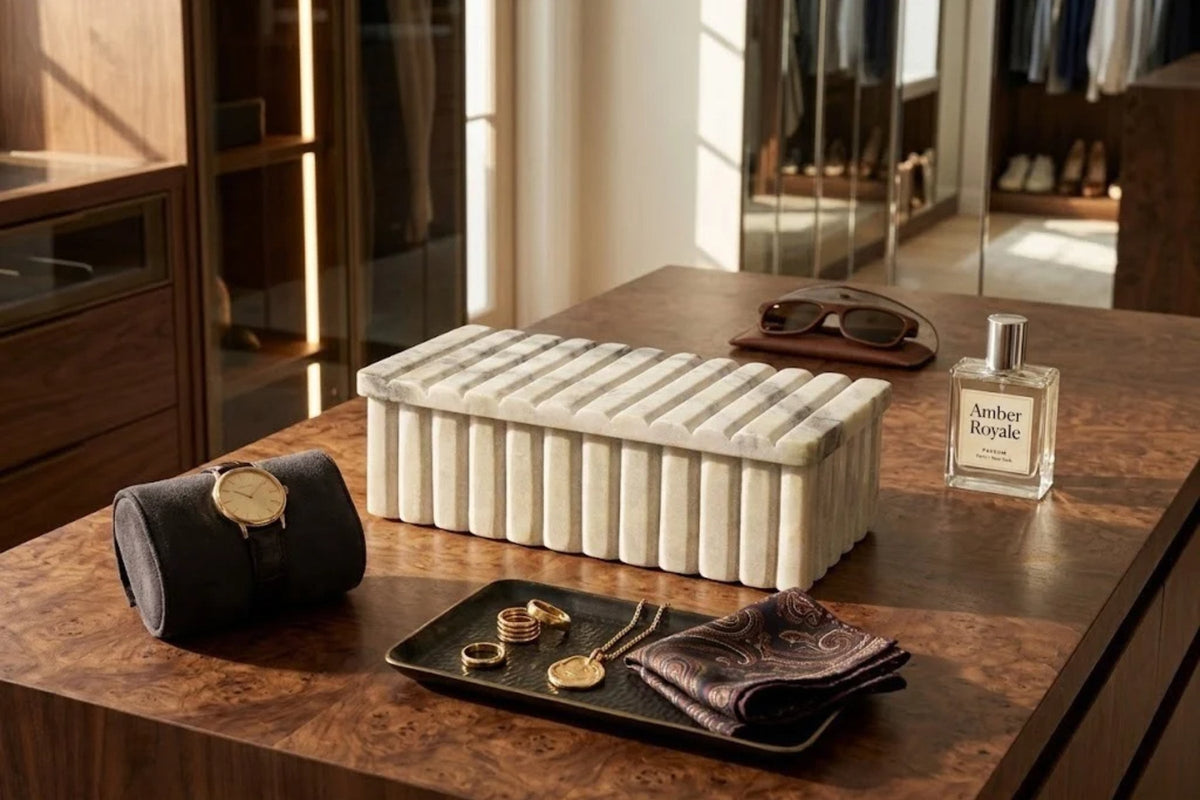
How to Choose a Decorative Box: What It Holds, Size and Material
A decorative box earns its place by its lid: what goes inside decides the size, and the room it sits in decides the material.
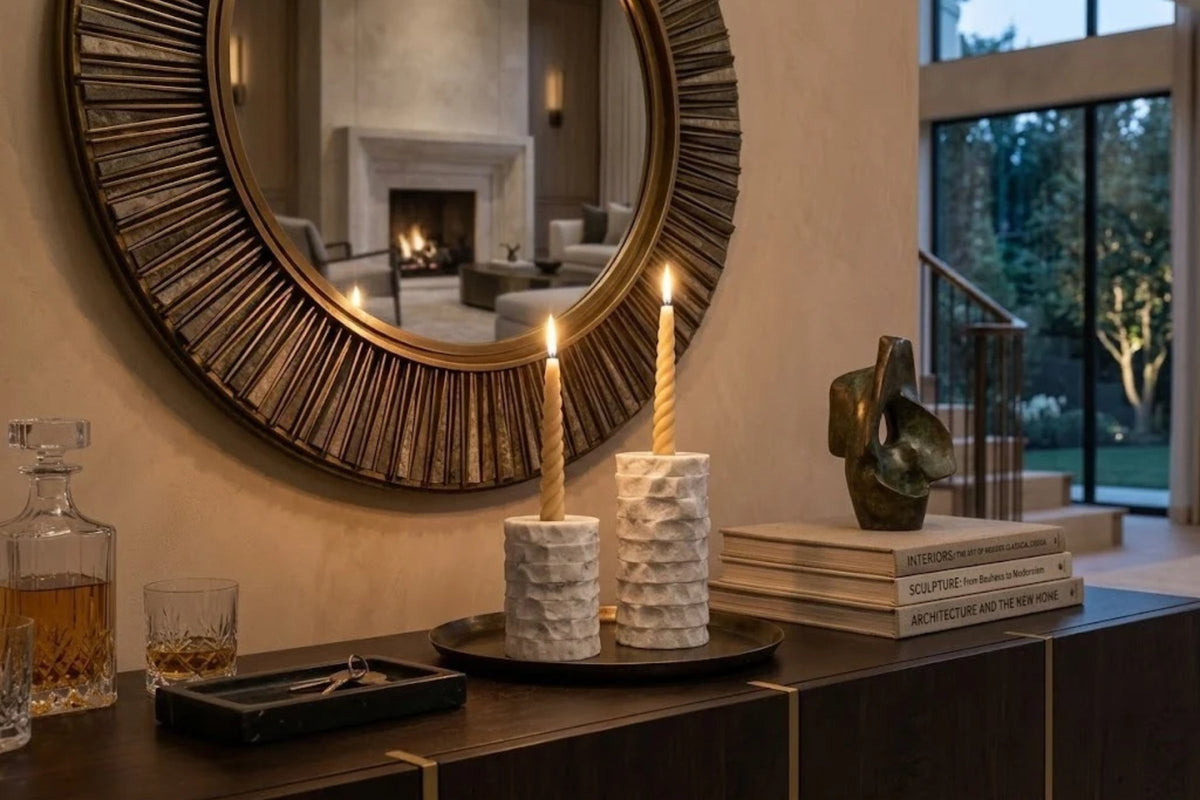
How to Choose Candle Holders for Taper Candles: Fit, Height and Stability
A taper holder is settled by one measurement before anything else — the standard taper is 7/8 inch at the base, and fit, height and weight decide the rest.
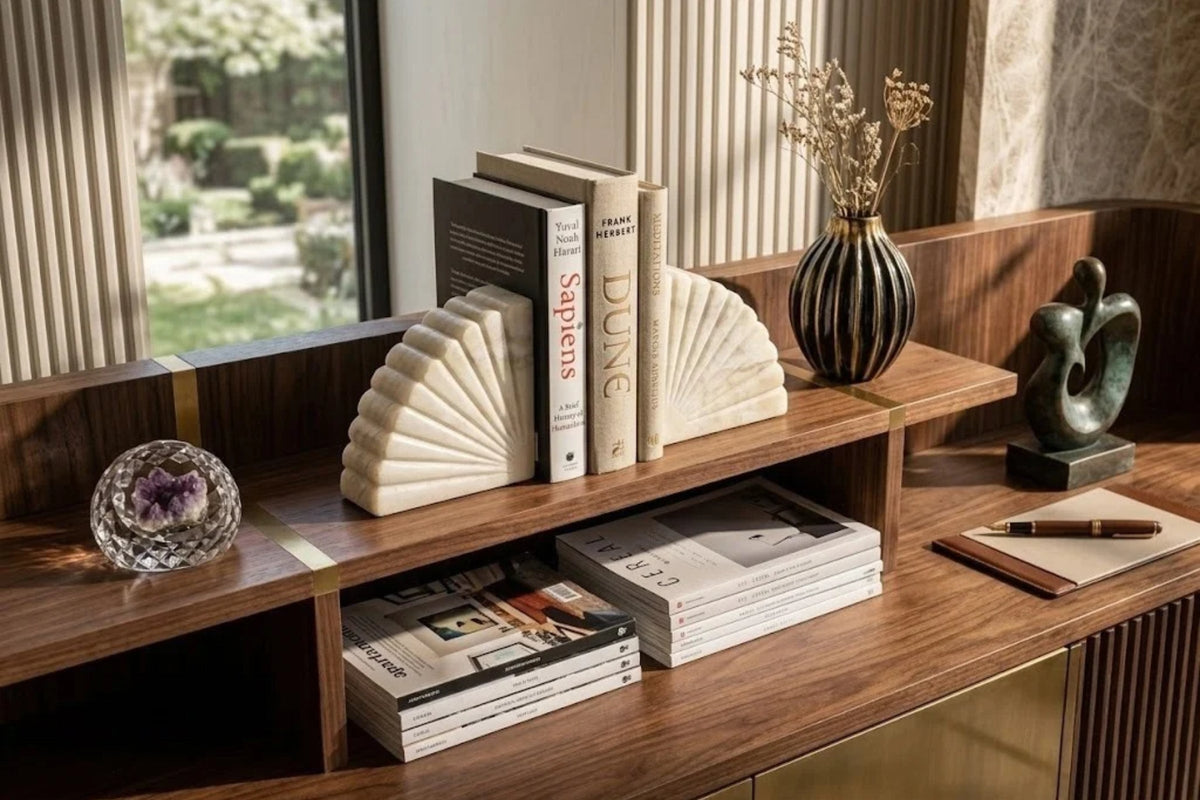
How to Choose Bookends That Hold Books
There are two kinds of bookend, and they work by opposite principles. Knowing which you are buying is the difference between books that stand and books that lean.
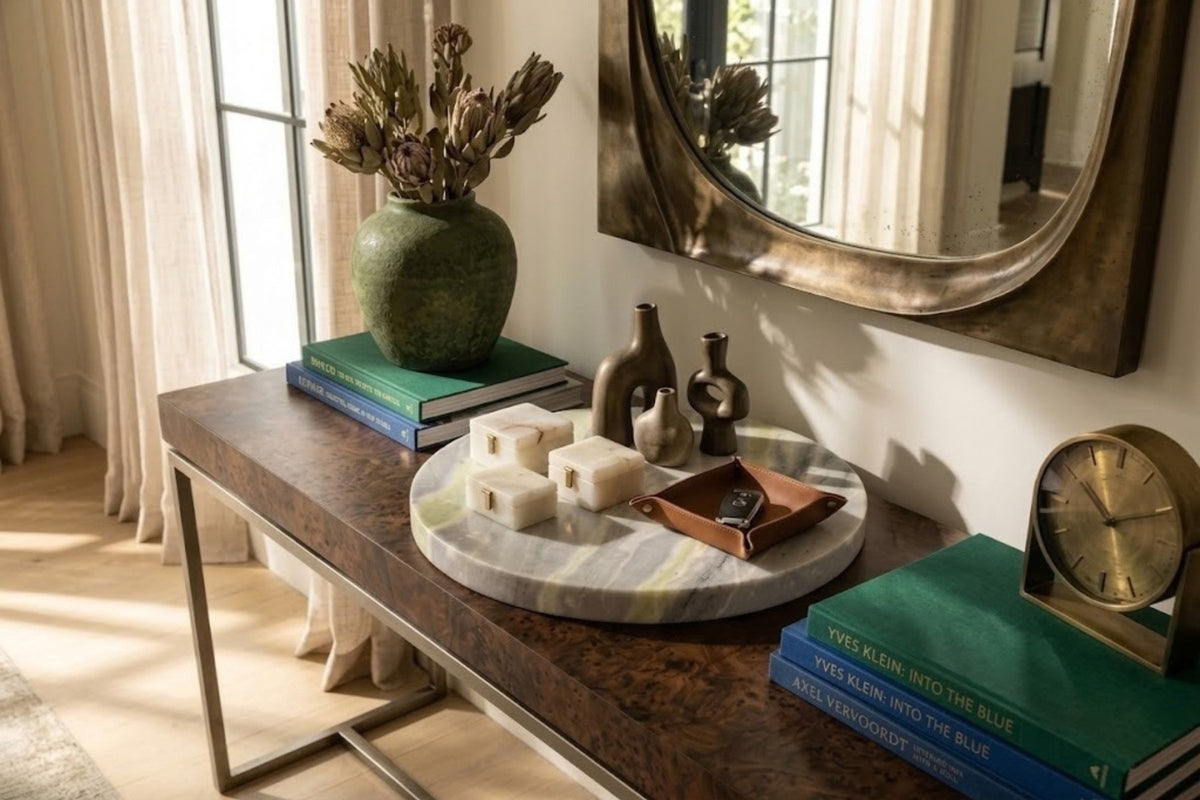
How to Create a Composed Entryway
An entryway is shaped through structure, material, and restraint. When each element is placed with intention, the space feels balanced, clear, and quietly complete.
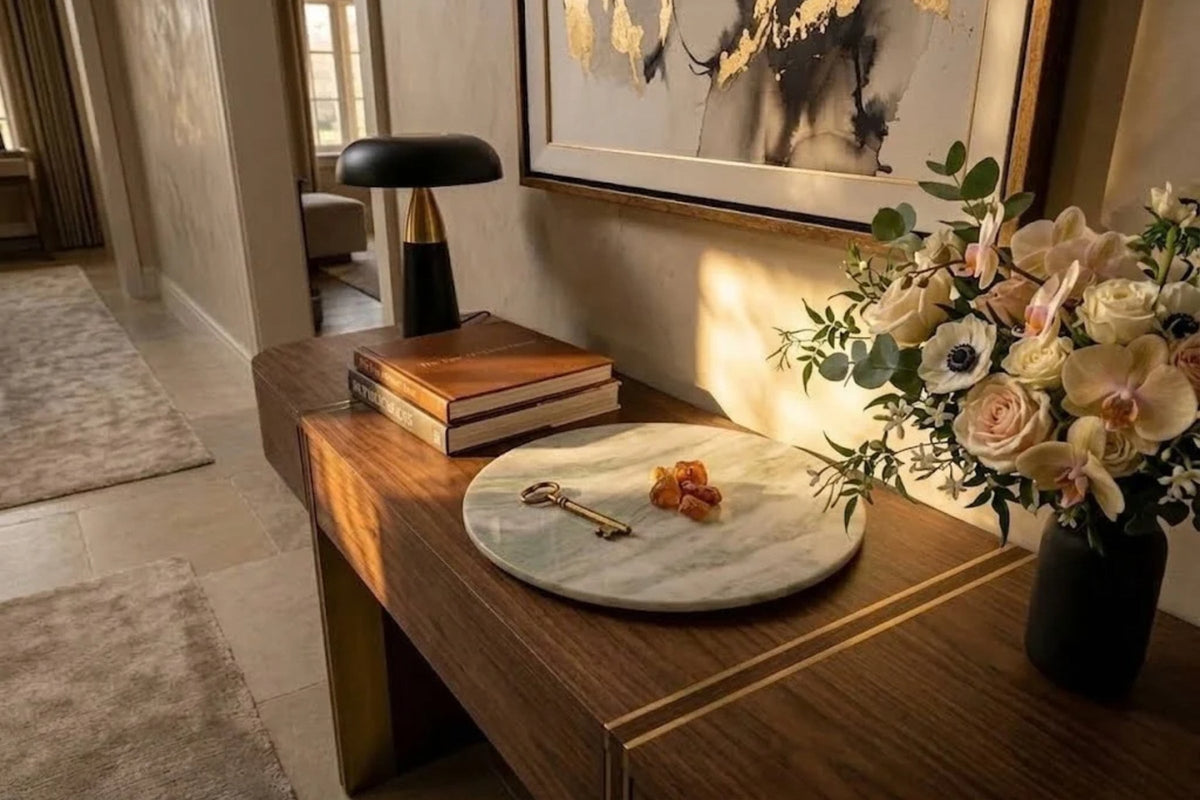
Styling a Console Table with Balance and Restraint
A console table is defined through balance, spacing, and material rather than excess. With fewer elements placed intentionally, the surface feels composed, clear, and quietly structured.
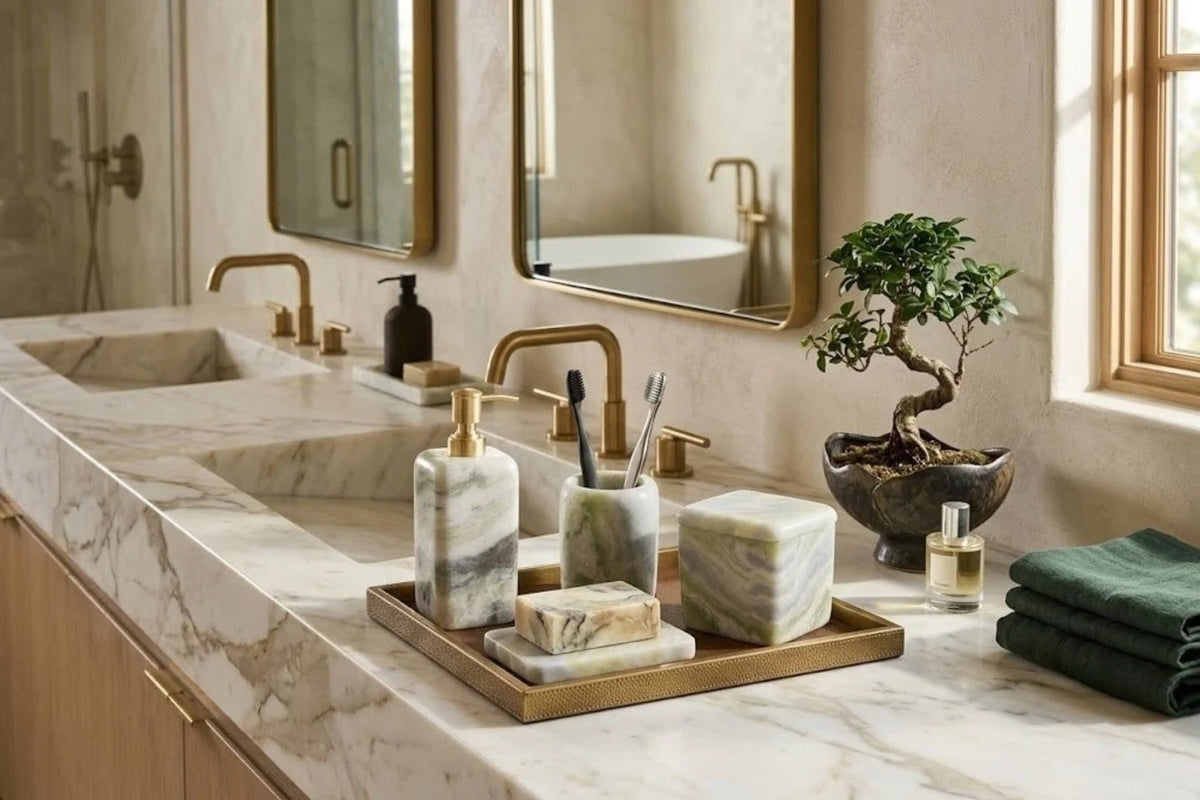
Choosing Bath Accessories for Function and Form
Bath accessories are defined by structure, material, and restraint rather than excess. When fewer elements are chosen with intention, the surface feels organized, balanced, and quietly composed.
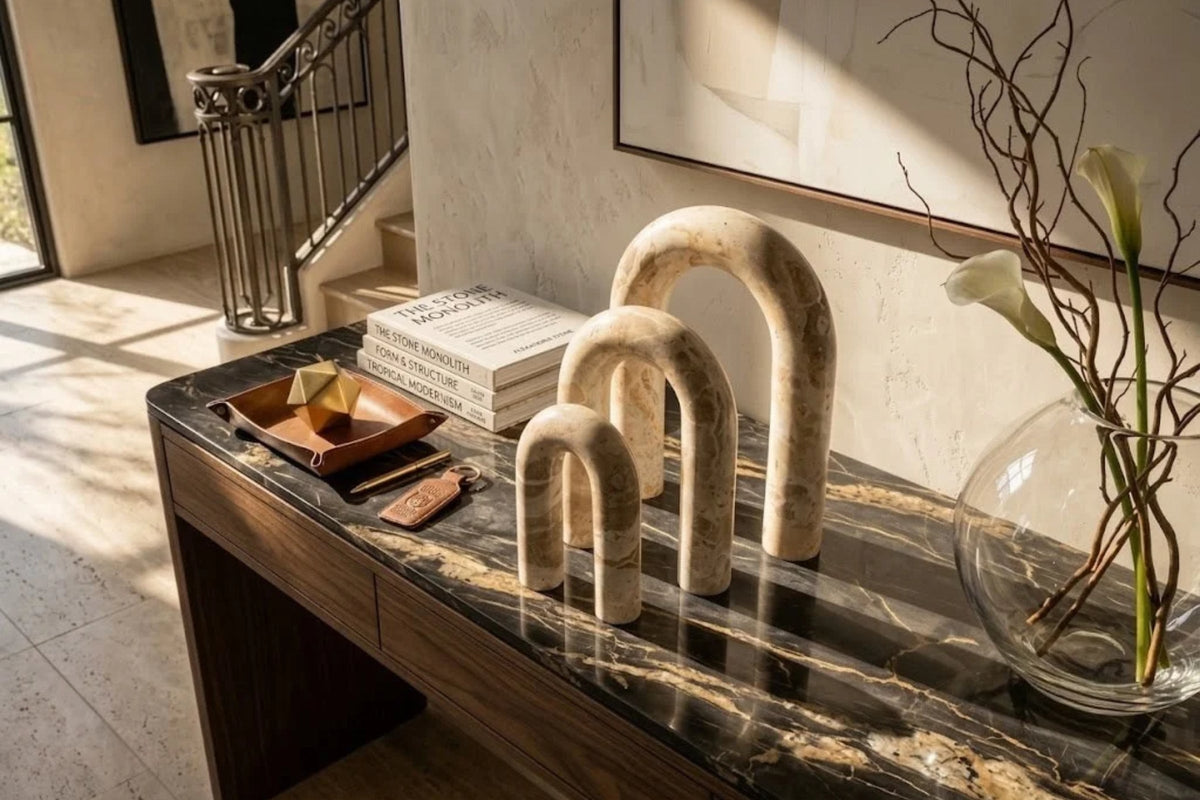
Understanding Scale in Decorative Objects
Scale defines how objects are experienced within a space. When size, proportion, and placement align, each element feels balanced, intentional, and naturally integrated.
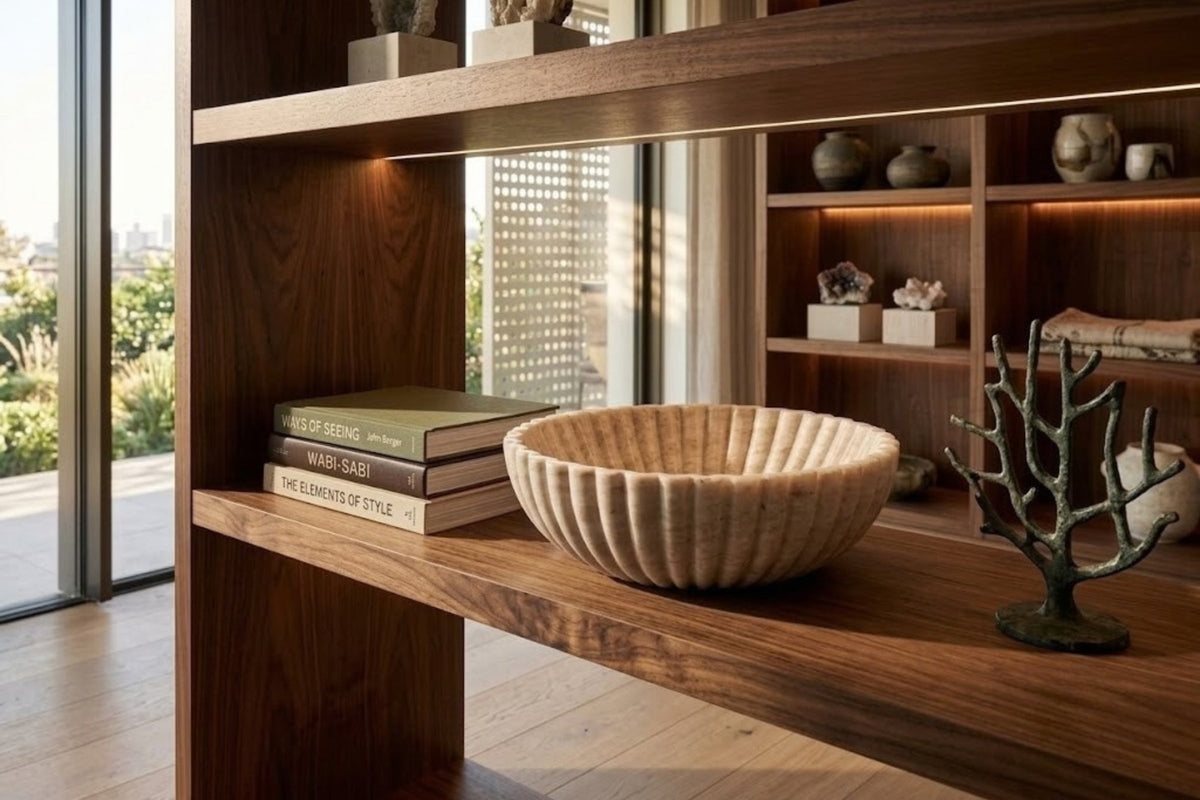
How to Choose the Right Marble Bowl
A marble bowl is defined by proportion, form, and placement rather than function alone. When chosen with intention, it becomes a quiet focal point that anchors the surface it rests upon.
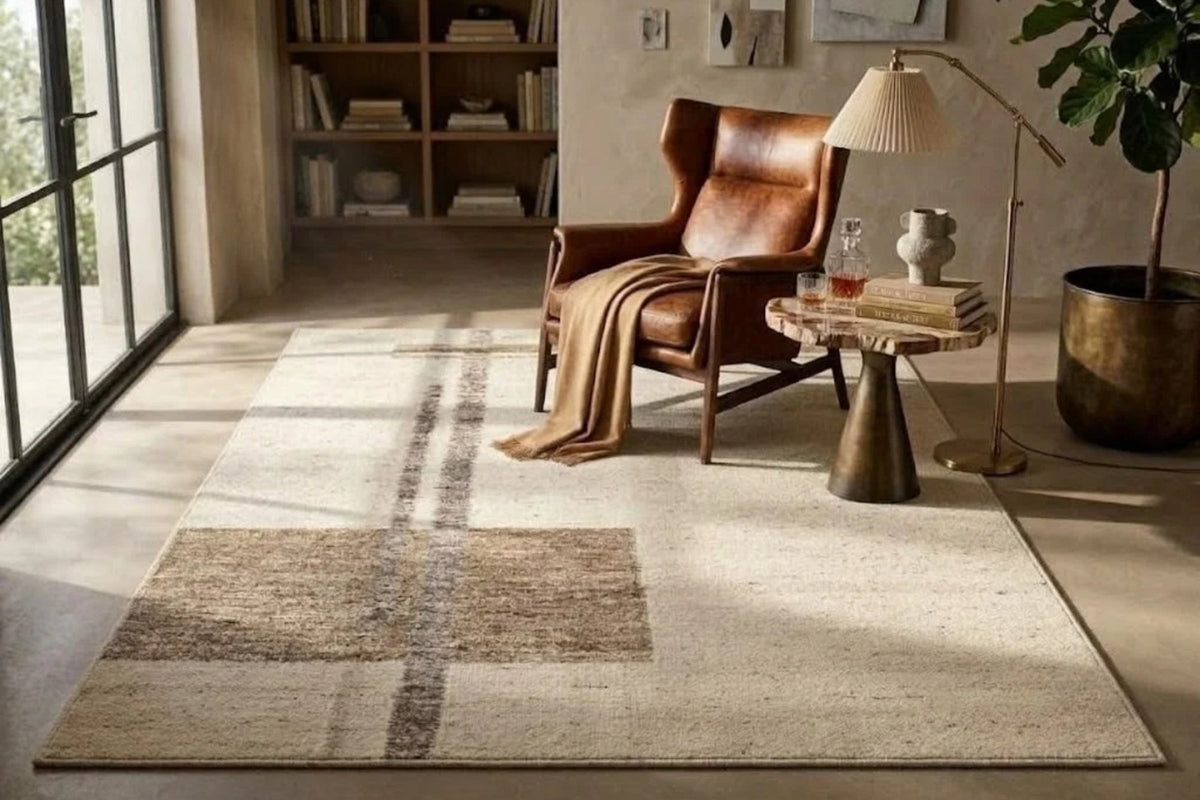
Creating Cohesion Through Materials in a Room
A cohesive interior is shaped through the relationship between materials, tone, and texture. When elements are balanced and repeated with restraint, the space feels unified without becoming uniform.