Weavers of Jaipur
26.7751° N, 75.8514° E
“In Sitapura, weaving is silent poetry — a language of patience, rhythm, and heritage carried from one generation to the next.”
Amid the vibrant landscapes of Jaipur lies Sitapura, a weaving village where artistry flows through every thread. Here, rugs, textiles, and handwoven accents are crafted not as mere objects, but as expressions of identity — shaped by artisans whose lives are intertwined with their looms.
Each woven piece from Sitapura carries the warmth of human hands, the depth of cultural memory, and a quiet elegance that resonates beautifully in modern homes.
A Craft Rooted in Cultural Harmony
Sitapura’s textile story began in the 16th century, when Persian artisans brought knotted carpet techniques to Rajasthan under Mughal patronage. Instead of replacing local traditions, the new methods blended seamlessly with regional craft, giving rise to a unique weaving language — one that marries Persian precision with Rajasthani spirit.
For centuries, this fusion has thrived. The artisans of Sitapura have continued to weave patterns inspired by gardens, architecture, nature, and mythology — motifs that speak to both heritage and home.
Where Tradition Meets Thread
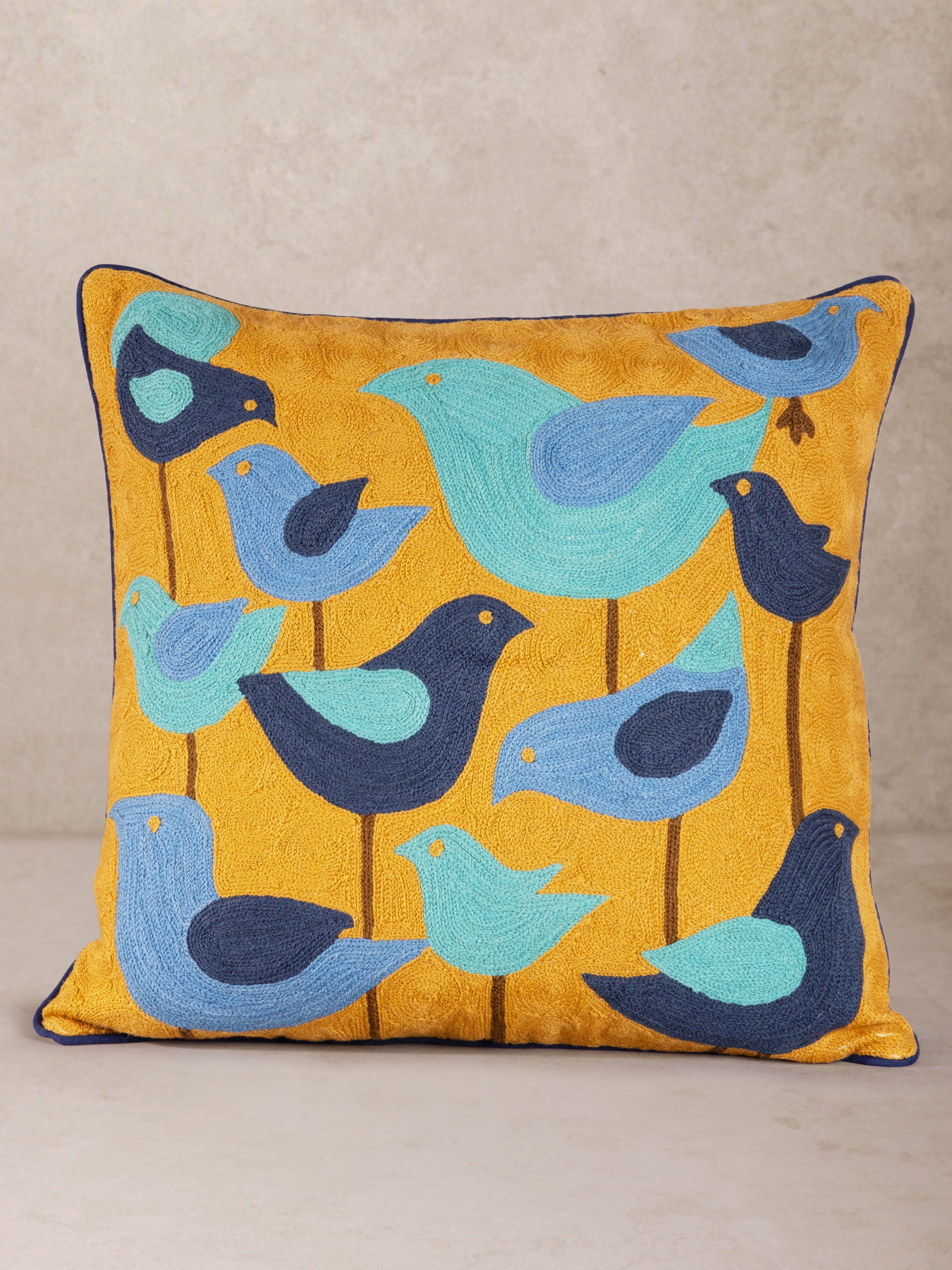
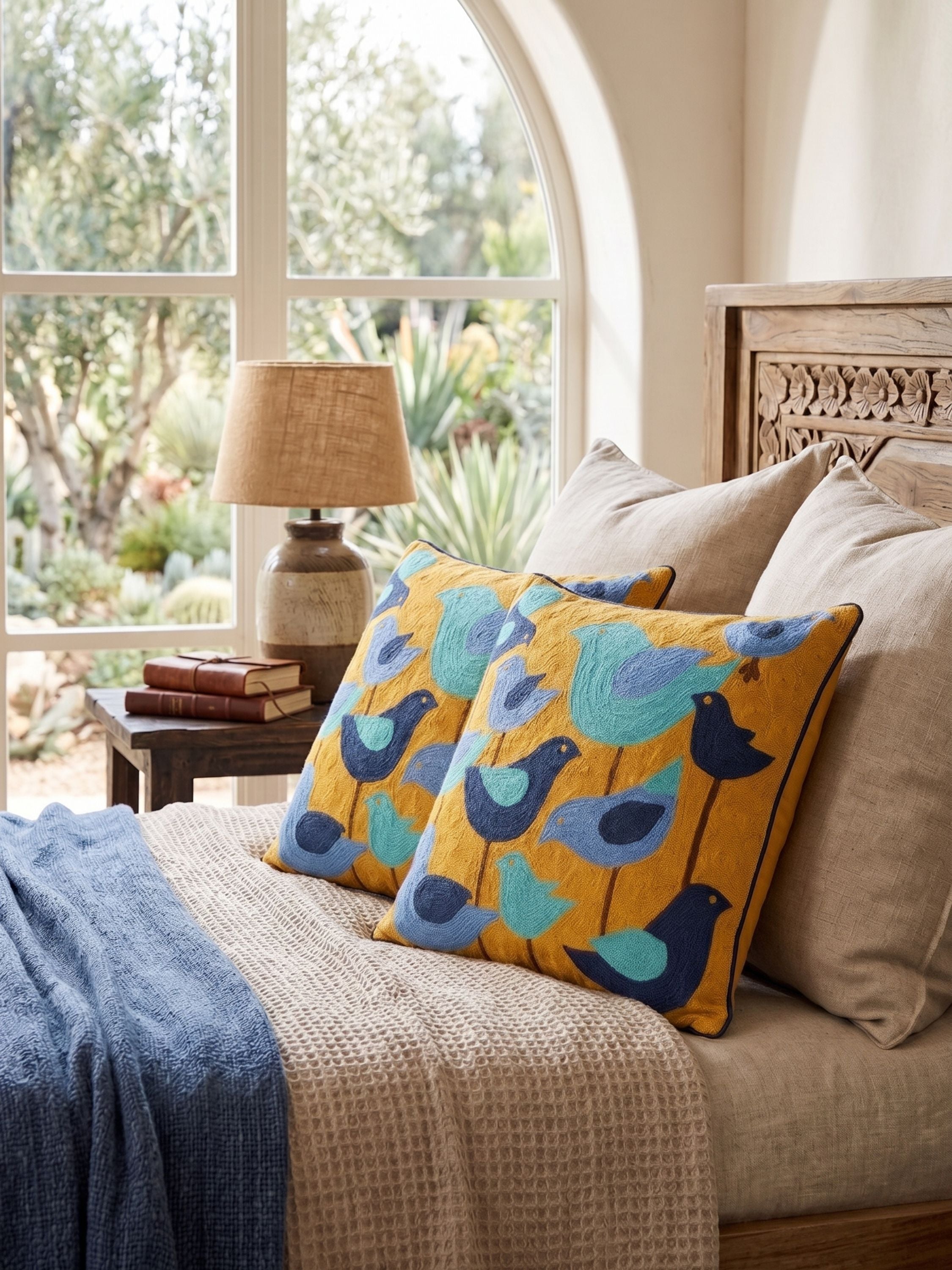
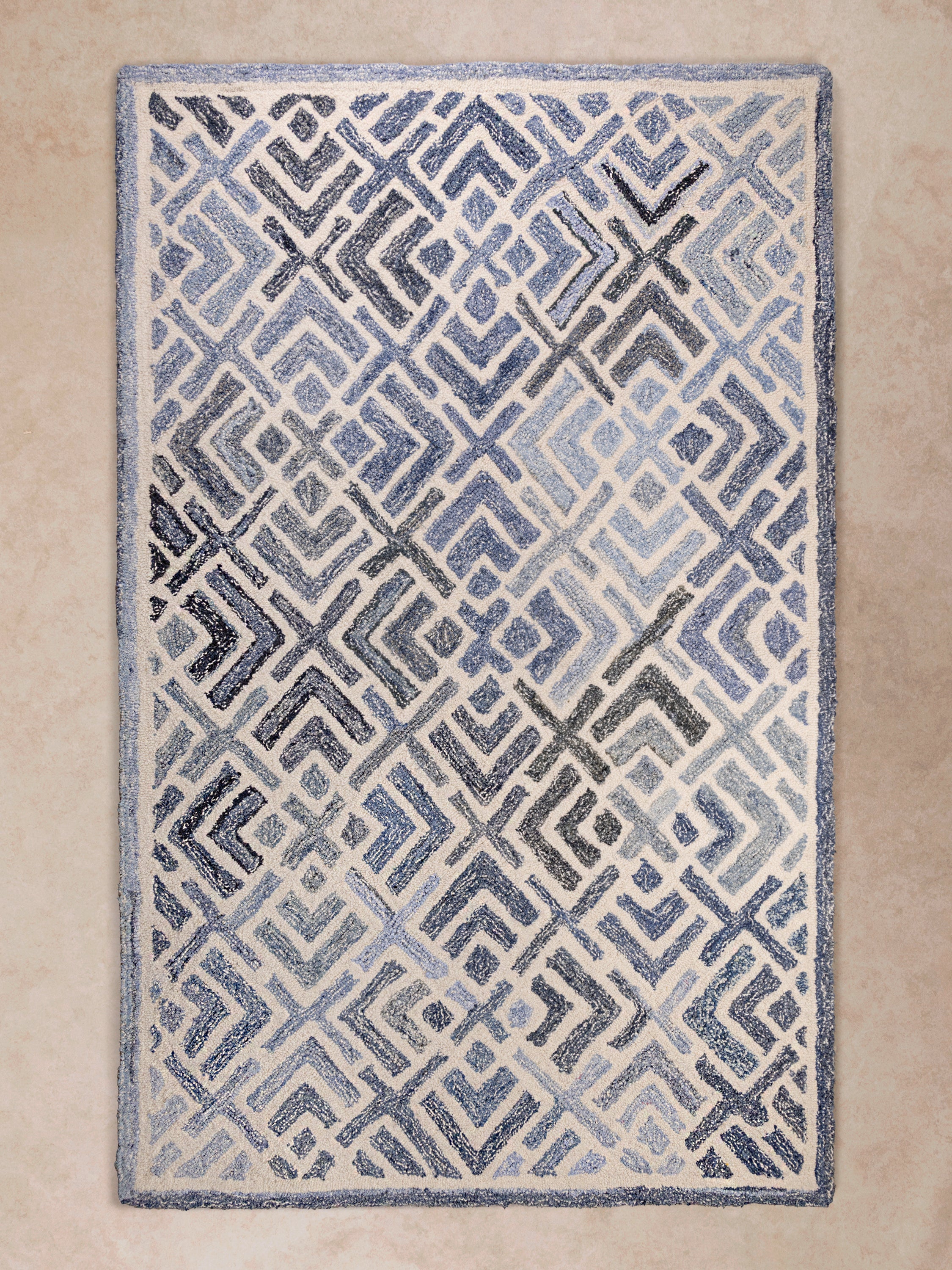
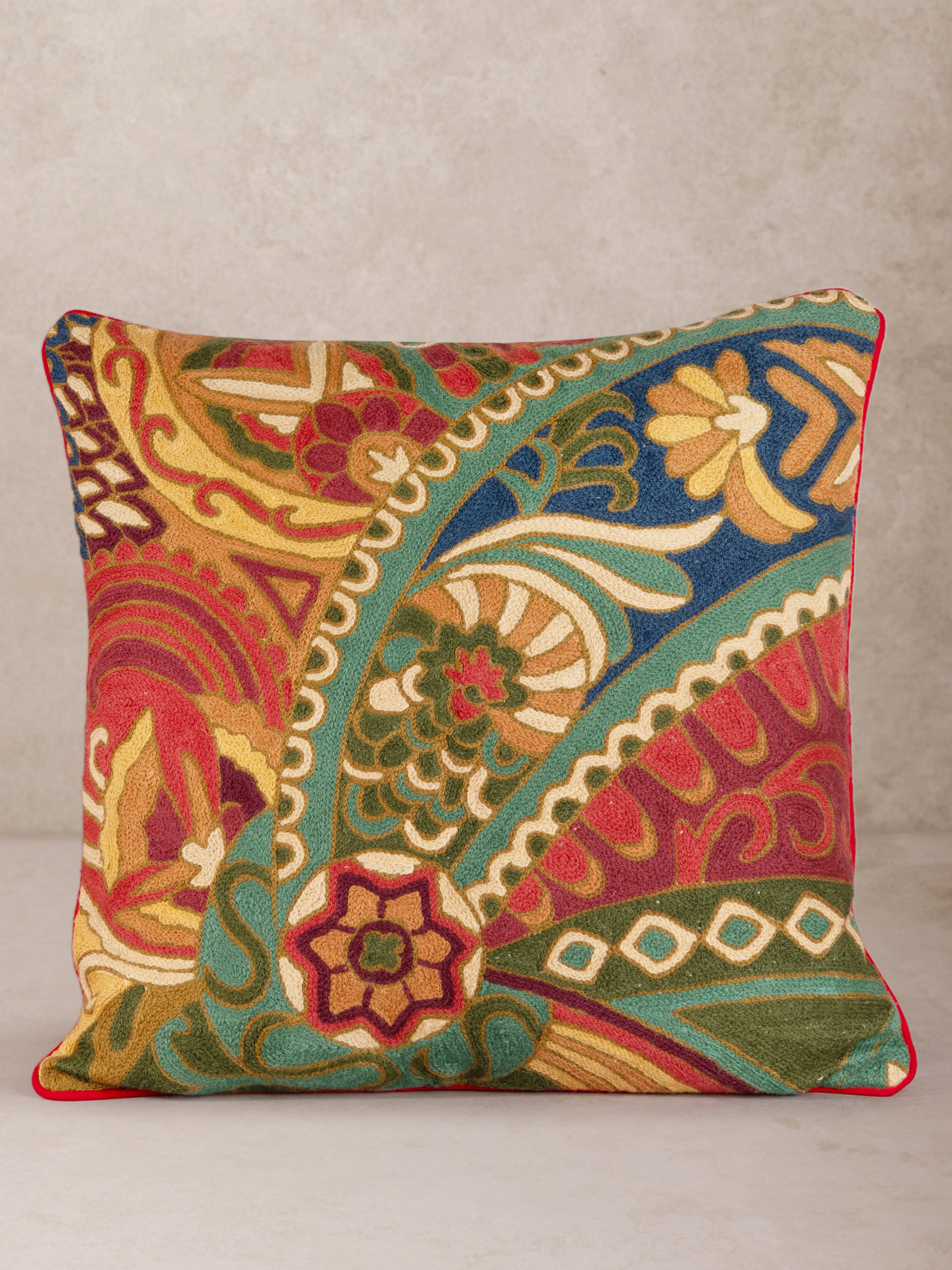
Each rug or cushion begins with a careful selection of materials — wool, silk, cotton, and hand-dyed fibers derived from turmeric, madder, pomegranate, and other natural sources. These dyes ground the textiles in the colors of Rajasthan: desert ochres, deep maroons, indigos, and soft neutrals.
At the loom, the process is slow and meditative:
- threading the warp by hand
- knotting each fiber with precision
- guiding colors into forms and stories
- watching patterns emerge line by line
Some pieces take weeks; others, months. But time is not a burden here — it is the essence of the craft.
Patterns of Heritage
Sitapura’s motifs are born from its surroundings:
- floral forms inspired by Mughal gardens
- geometric borders echoing Jaipur’s architecture
- organic shapes reflecting nature and daily life
These designs do not follow trends; they follow lineage. They honor ancestors, rituals, and the landscapes that have shaped the artisan community for centuries.
Each finished piece carries a story — not printed or manufactured, but woven slowly, intentionally, thoughtfully.
Craft Rooted in Purpose
For the weavers, the loom is more than a tool; it is a companion, a source of livelihood, and a keeper of family heritage. Weaving is deeply communal — taught at home, practiced among neighbors, celebrated at festivals, and passed on to the next generation with pride.
The rhythm of weaving is often described as meditative, a grounding practice that connects artisans to tradition and to one another.
Preserving a Legacy in a Changing World
The artisans of Sitapura face modern pressures — mass-produced textiles, unpredictable raw material costs, and shifting livelihood opportunities. Many younger artisans consider leaving the craft for more stable incomes.
Yet the craft endures. Why? Because it is woven into their identity.
Fair trade cooperatives, government initiatives, and the global appreciation for handcrafted, sustainable goods have opened new pathways for Sitapura’s artisans to thrive. Today, their work is admired worldwide for its authenticity, artistry, and cultural depth.
A Collaboration That Honors Craft
At GAURI KOHLI, we are honored to partner with Sitapura’s weaving community. Through direct collaboration, ethical sourcing, and a commitment to fair wages, we help support the artisans’ livelihoods and ensure their craft continues to flourish.
Every rug, throw, or textile created in Sitapura carries the story of its maker — a story of patience, creativity, and a lineage that stretches back centuries. Bringing these pieces into your home preserves this extraordinary legacy and keeps an ancient craft alive for future generations.
Explore handcrafted pieces shaped by tradition, material, and the human hand.
Bring the Craft Home