Weavers of Bhadohi
25.3805° N, 82.5673° E
“Every knot in a Bhadohi rug is a quiet prayer — a testament to patience, devotion, and a craft woven through generations.”
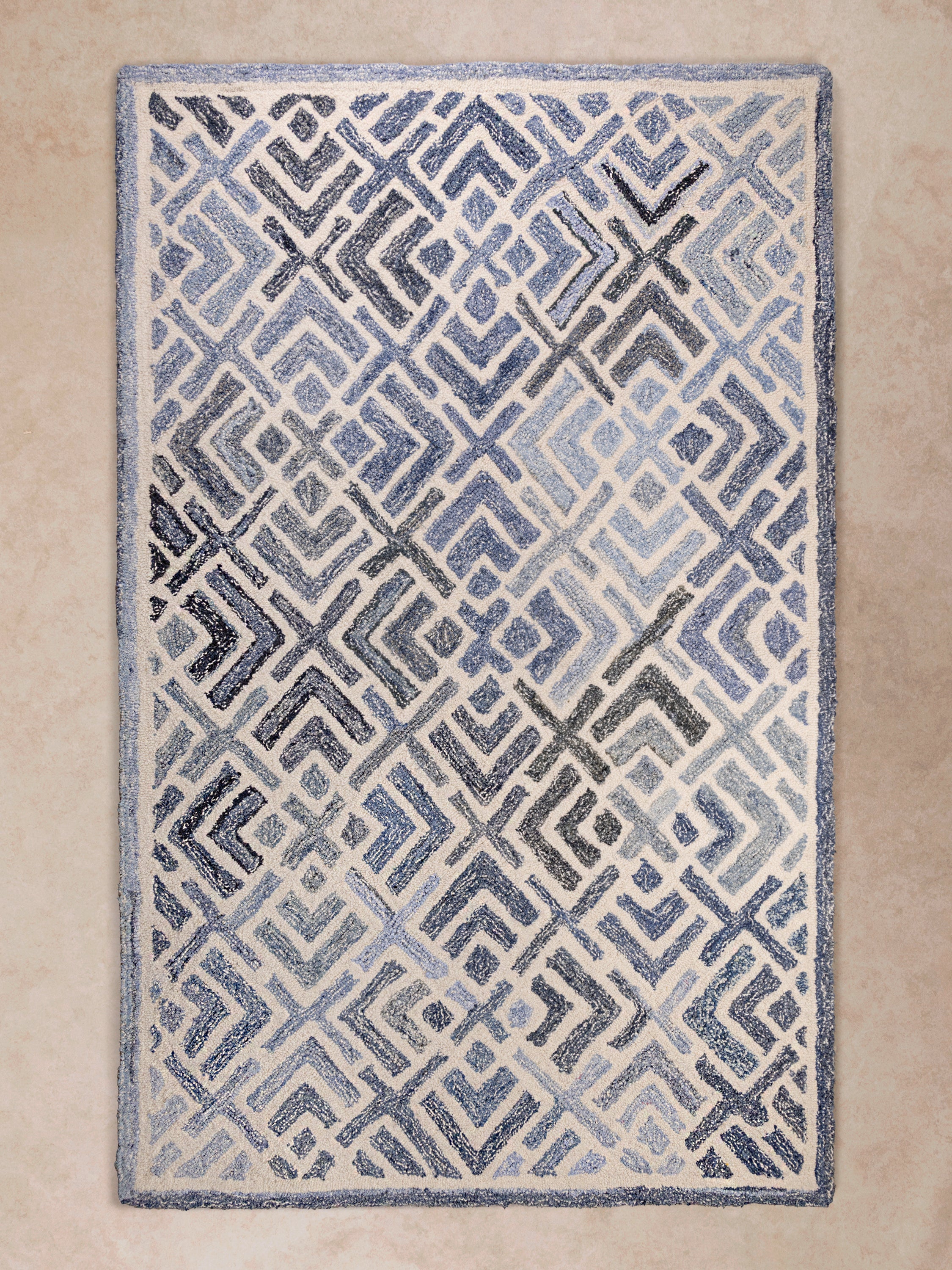
In the historic town of Bhadohi, known as India’s “Carpet City,” weaving is a way of life. Here, artisans transform wool, cotton, and silk into rugs of remarkable beauty — each one shaped by hand, guided by memory, and rooted in techniques passed down over centuries.
A Bhadohi rug is not merely a floor covering; it is a story woven into form, carrying the lineage of those who came before and the hopes of those who continue the craft today.
A Legacy Interwoven With History
Bhadohi’s weaving tradition dates back to the Mughal era, when skilled artisans from Persia and Central Asia brought knotted carpet techniques to India. Over time, these influences merged with local artistry to create a signature weaving identity — one defined by meticulous detail, balanced compositions, and timeless motifs.
This unique blend of heritage and technique is what makes Bhadohi rugs treasured around the world.
Masters of the Loom
The artisans of Bhadohi are storytellers. With each knot and weave, they compose patterns inspired by:
- nature and foliage
- Mughal gardens
- Persian motifs
- sacred geometry
- local landscapes and daily life
Their process is entirely hands-on. Whether working with wool, silk, or cotton, the artisans guide each thread with intention, building designs slowly, thoughtfully, and with deep respect for the craft.
Techniques Honed Through Generations
Bhadohi is home to a range of weaving methods, each chosen based on the desired texture, durability, and artistry:
Persian Knot (Asymmetrical Knot)
Used for highly detailed rugs with fluid motifs.
Turkish Knot (Symmetrical Knot)
Creates thicker, more structured patterns.
Flat-Weave (Dhurries)
Lightweight, reversible textiles with graphic, geometric designs.
Soumak Weave
A braided texture known for its depth and strength.
Nepalese Weaving
Creates a soft, plush, contemporary finish.
Hand-Tufting
A blend of hand-guided artistry and modern aesthetics.
Each technique reflects a unique rhythm — a balance between tradition and individuality.
A Craft of Patience & Precision
Creating a single rug can take weeks or even months. The artisan must:
- prepare the yarn
- dye fibers using both natural and modern processes
- set the loom
- knot or weave every thread by hand
- wash, shear, stretch, and finish each piece
The resulting rugs carry subtle variations that mark the hand of the maker — the essence of true handcrafted luxury.
Challenges Woven Into the Journey
Like many heritage crafts, weaving in Bhadohi faces challenges:
- competition from mass-produced rugs
- unpredictable market demands
- the lure of urban employment for younger generations
- the complexity and labor intensity of hand-knotting
Yet, despite these obstacles, the artisans continue. Their resilience is reflected in every tightly pulled knot and every perfectly aligned motif. As global appreciation for slow craft and meaningful design grows, Bhadohi is rediscovering its place as a guardian of India’s weaving legacy.
A Legacy Brought Home
A rug from Bhadohi is more than decor. It is:
- a piece of living heritage
- a connection between artisan and home
- a story woven into every line and shadow
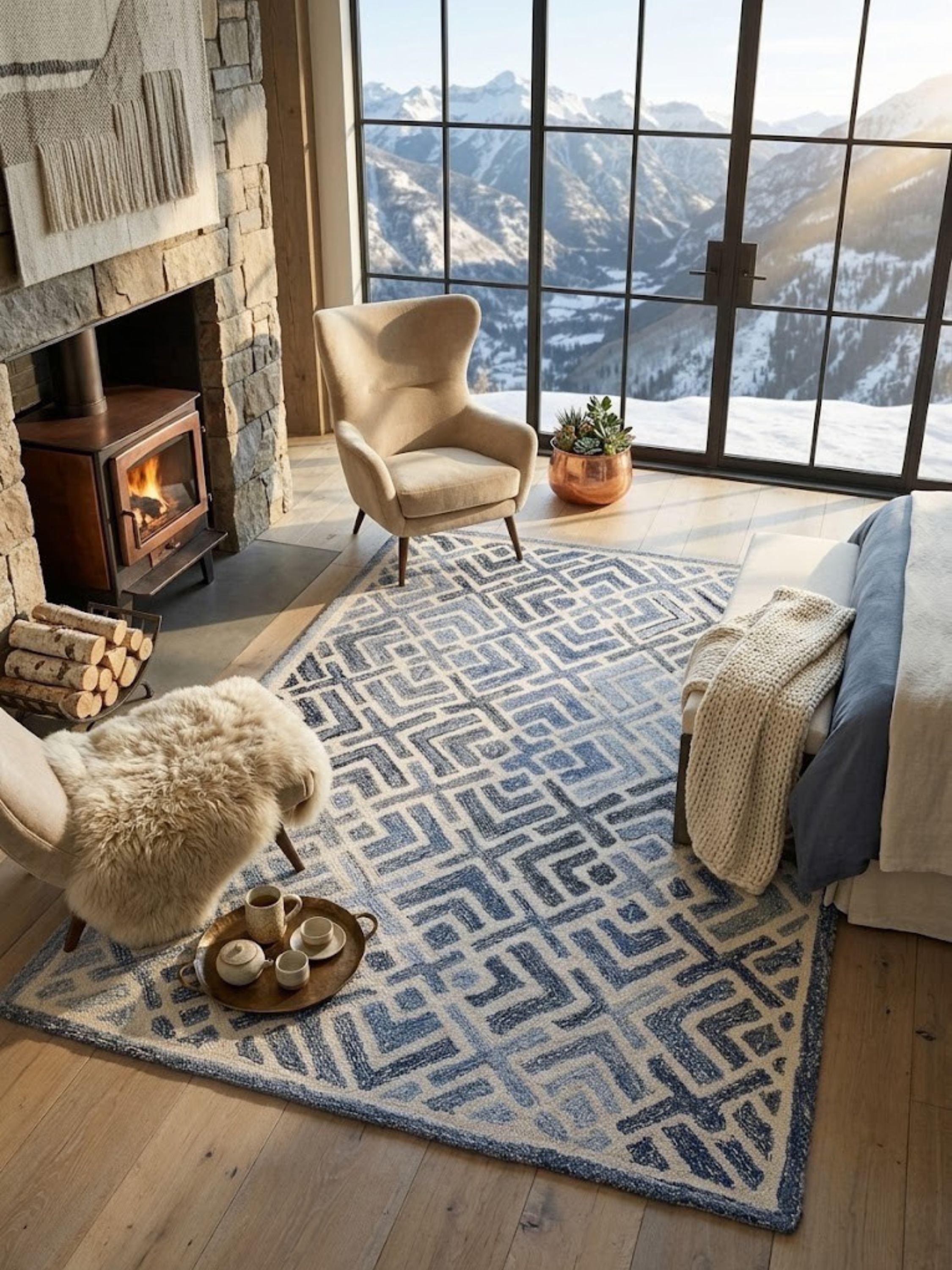
These rugs bring character, warmth, and artistry into modern spaces — blending seamlessly with contemporary interiors while carrying centuries of craft tradition.
A Collaboration of Purpose & Pride
At GAURI KOHLI, we are honored to support the weaving communities of Bhadohi. Through fair partnerships, ethical sourcing, and thoughtful curation, we help bring their remarkable work to homes around the world.
Each rug offers not just beauty but a continuation of a lineage — ensuring that the weavers of Bhadohi can pass their craft forward with pride.
Explore handcrafted pieces shaped by tradition, material, and the human hand.
Bring the Craft Home