
Exploring material, form, and the art of living with considered objects.
The Material Edit
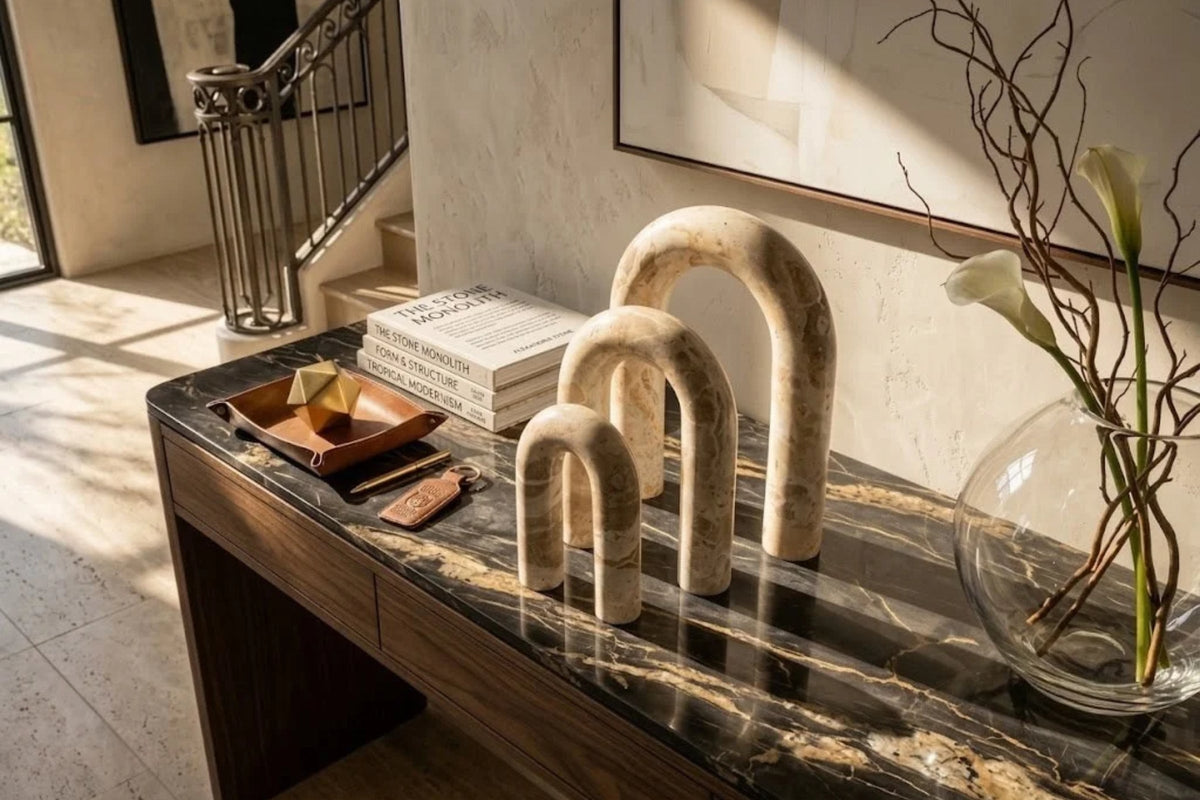
Understanding Scale in Decorative Objects
Scale defines how objects are experienced within a space. When size, proportion, and placement align, each element feels balanced, intentional, and naturally integrated.

Choosing Serveware for Everyday Use
Serveware becomes more meaningful when integrated into daily use rather than reserved for occasions. Through material and form, it shapes a dining surface that feels both functional and quietly com...
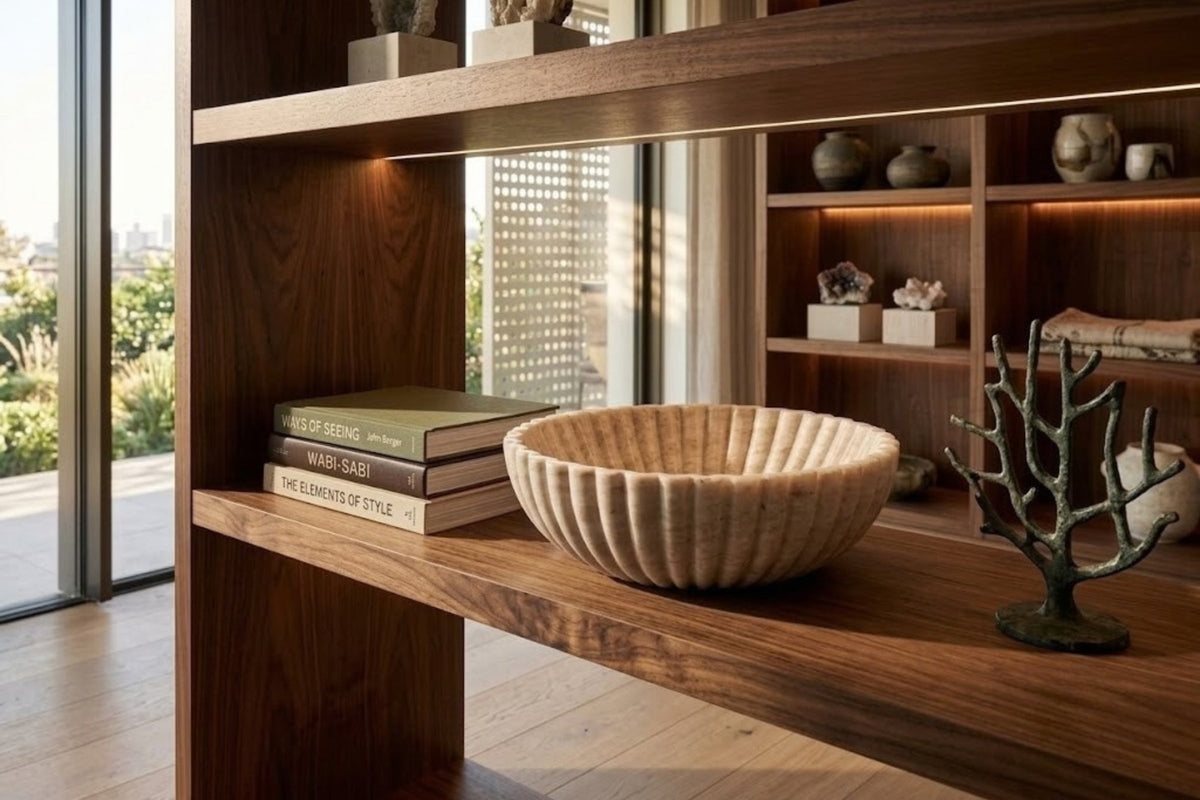
How to Choose the Right Marble Bowl
A marble bowl is defined by proportion, form, and placement rather than function alone. When chosen with intention, it becomes a quiet focal point that anchors the surface it rests upon.
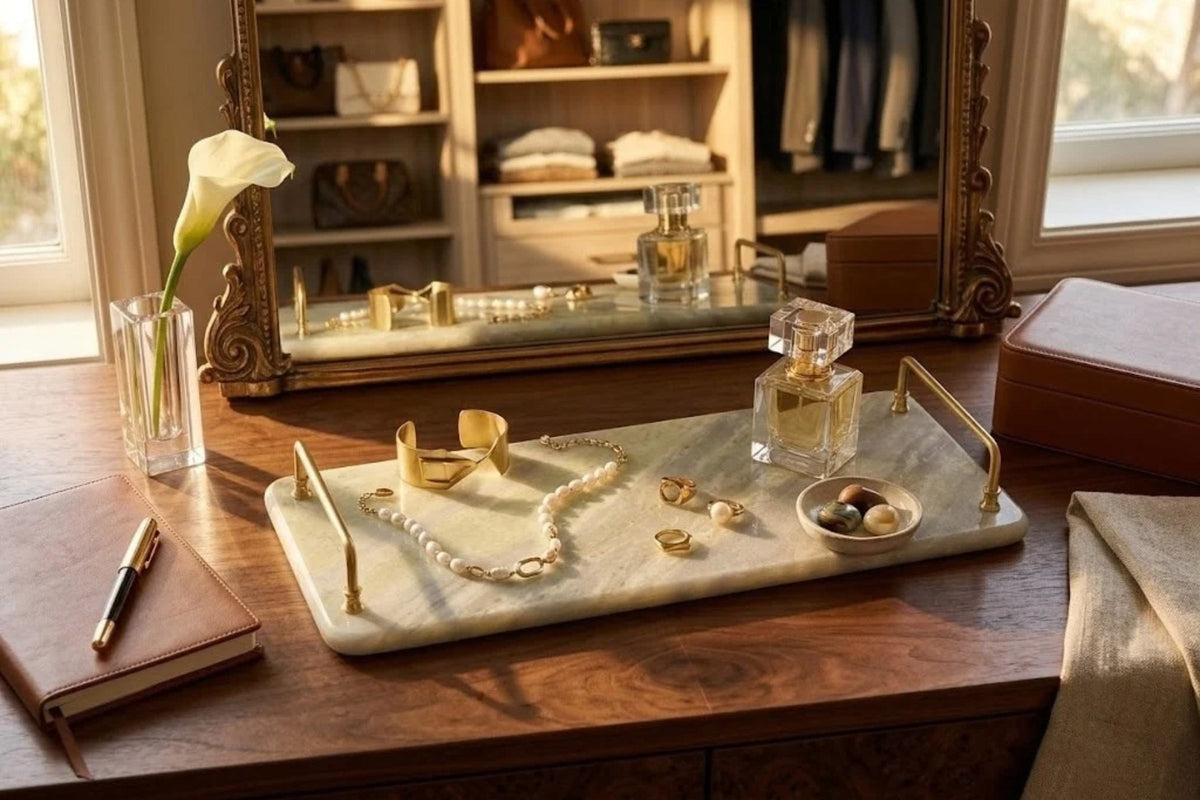
Choosing the Right Tray: Size, Material and Use
A tray defines a surface through proportion, material, and placement rather than decoration. When chosen with intention, it brings structure, clarity, and balance to everyday living.
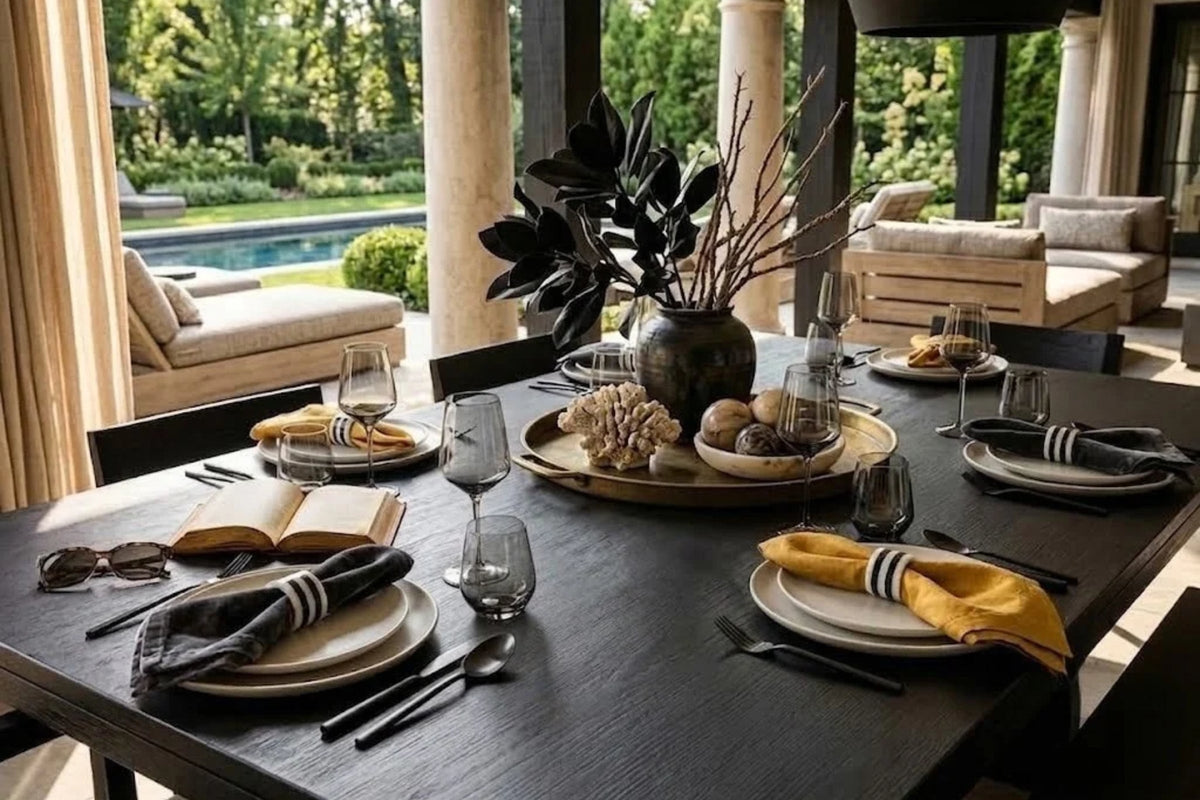
How to Style a Dining Table for Everyday Use
A dining table is best styled through restraint, with one central element that holds both function and presence. When kept open and adaptable, the surface feels prepared rather than decorated.
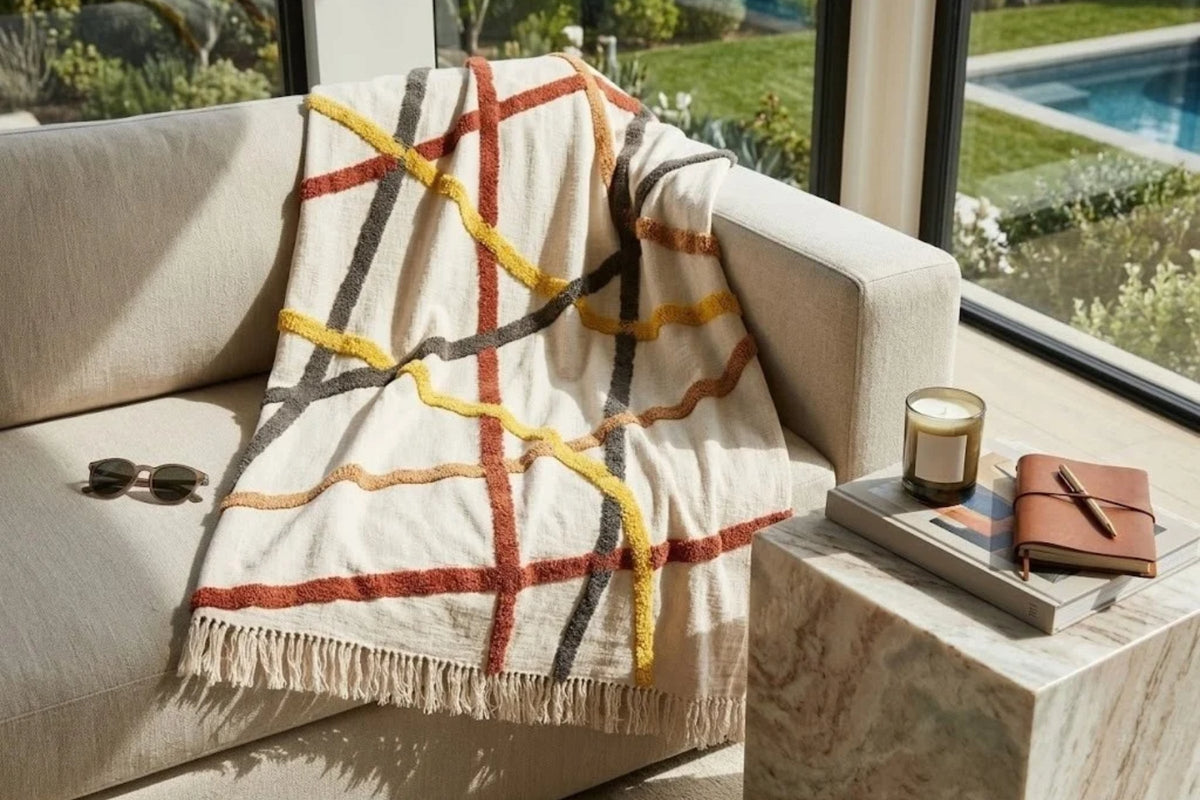
Layering Textiles: Pillows, Throws and Rugs
Textile layering creates depth through softness, movement, and restraint. When anchored by a rug, the composition feels grounded, balanced, and quietly cohesive.
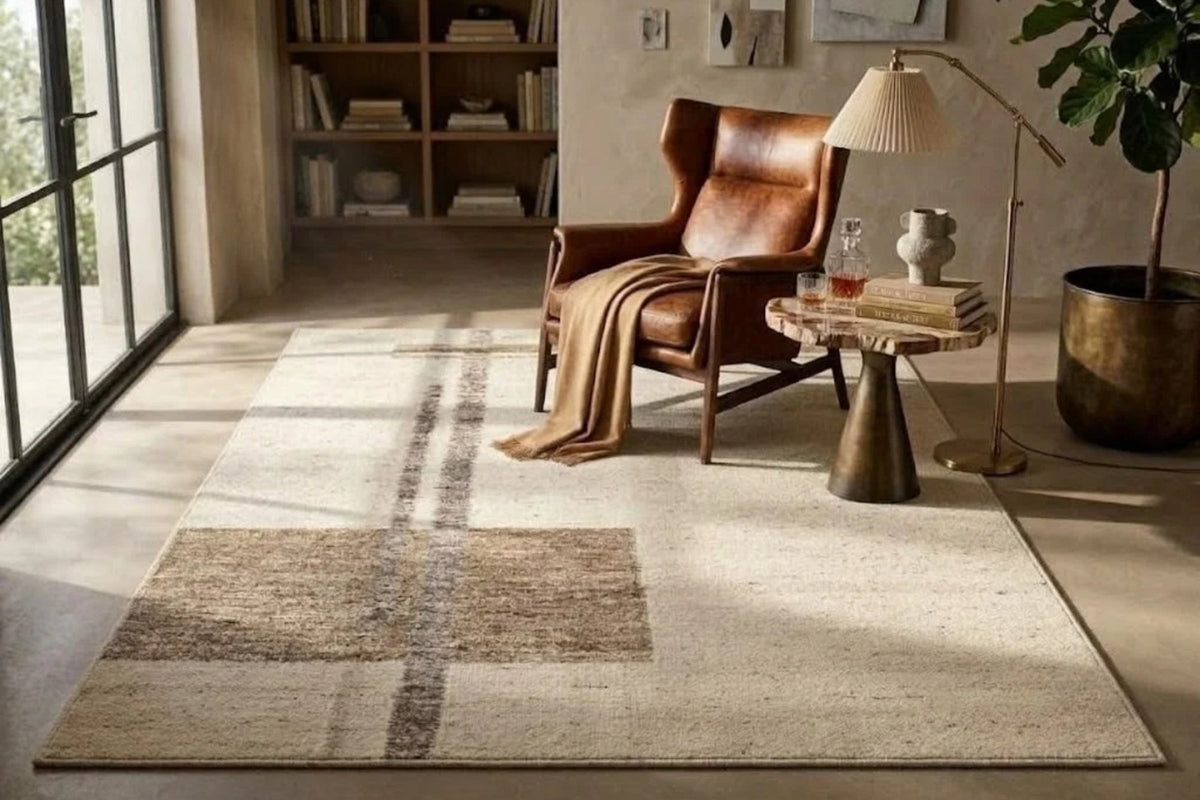
Creating Cohesion Through Materials in a Room
A cohesive interior is shaped through the relationship between materials, tone, and texture. When elements are balanced and repeated with restraint, the space feels unified without becoming uniform.
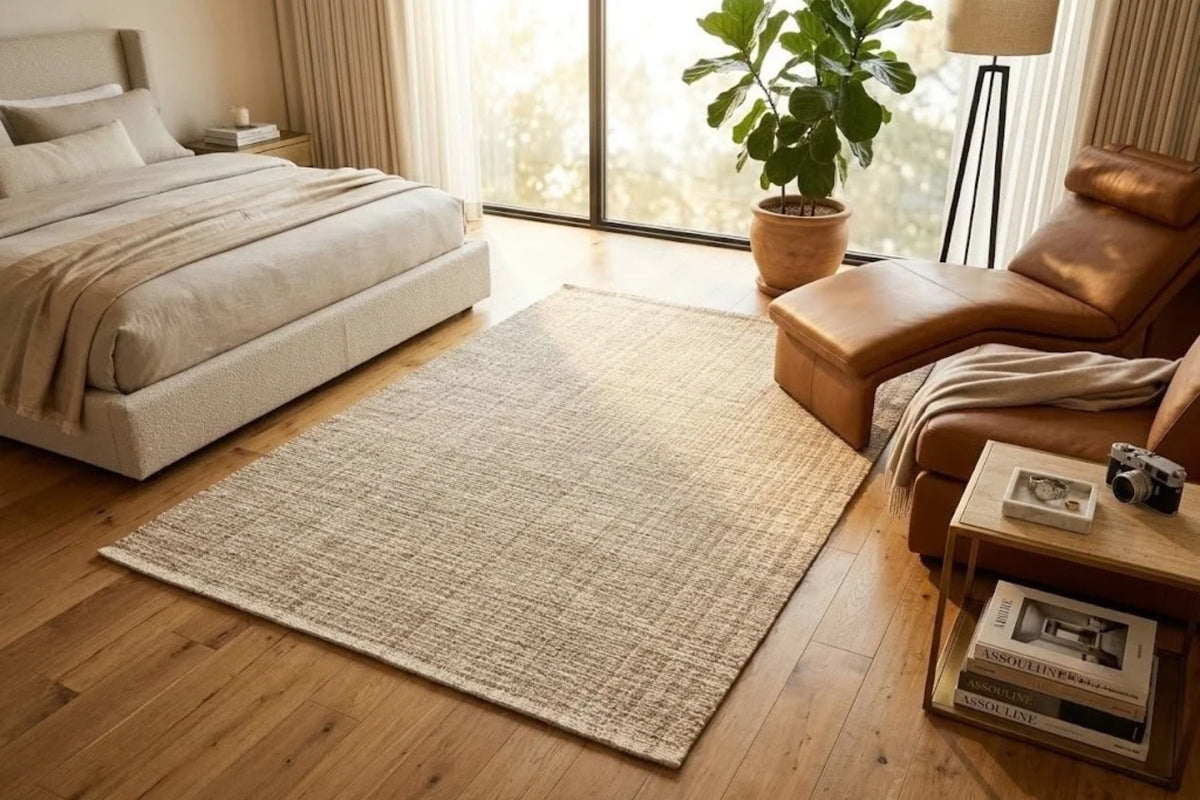
Styling with Natural Materials Across Rooms
A cohesive home is shaped through the quiet repetition of materials across spaces. When stone, wood, and textiles move with consistency, each room feels connected without losing its individuality.

How to Layer Decorative Objects Without Clutter
Layering is not about adding more, but arranging with intention. When objects are placed with restraint and space is preserved, a surface gains depth while remaining clear and composed.
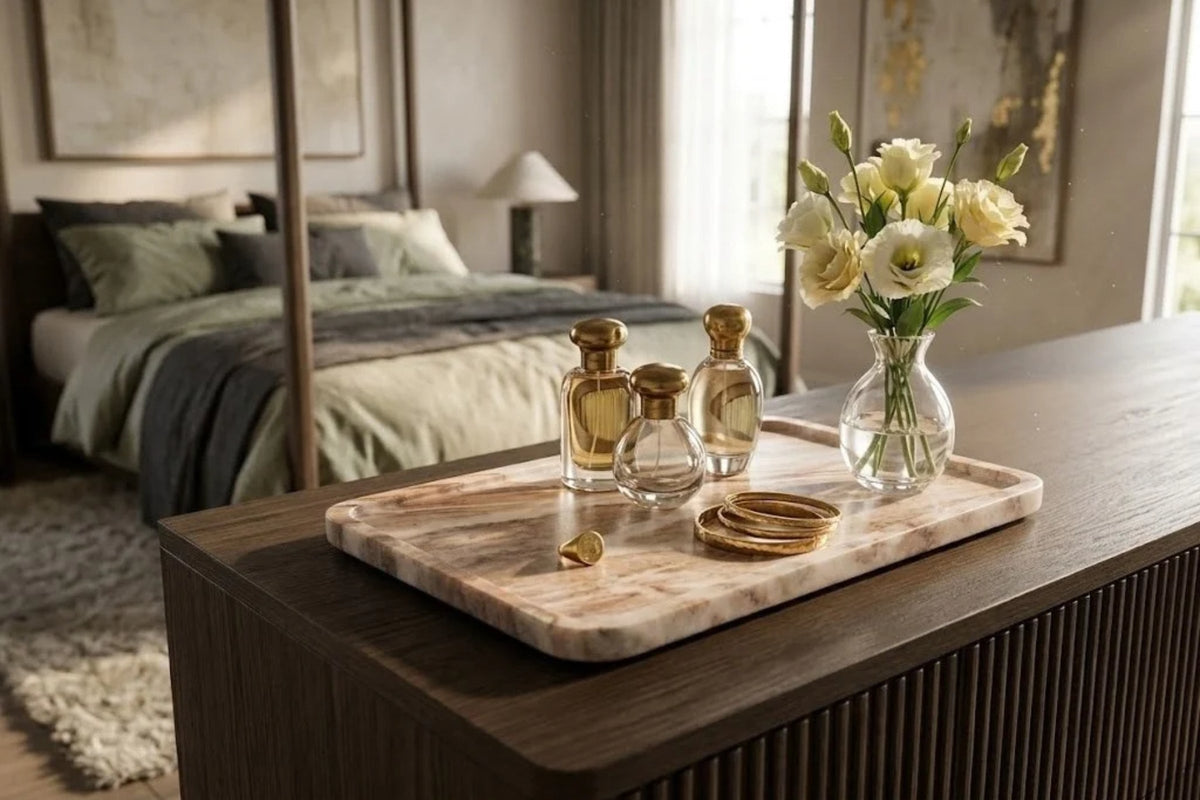
Creating Quiet Focal Points in a Room
A focal point emerges through placement, material, and restraint rather than excess. When a single object is given space, it becomes a quiet center that shapes how a room is experienced.