
Exploring material, form, and the art of living with considered objects.
The Material Edit

How to Choose Throw Pillow Sizes and Fills: Cover, Insert and Count
Size the cover to the seat and the insert to the cover — two inches larger, every time.

How to Choose a Picture Frame Material: Weight, Movement and What Sits Behind the Photograph
A frame’s material decides where it can stand; what sits behind the photograph decides how long the photograph lasts.
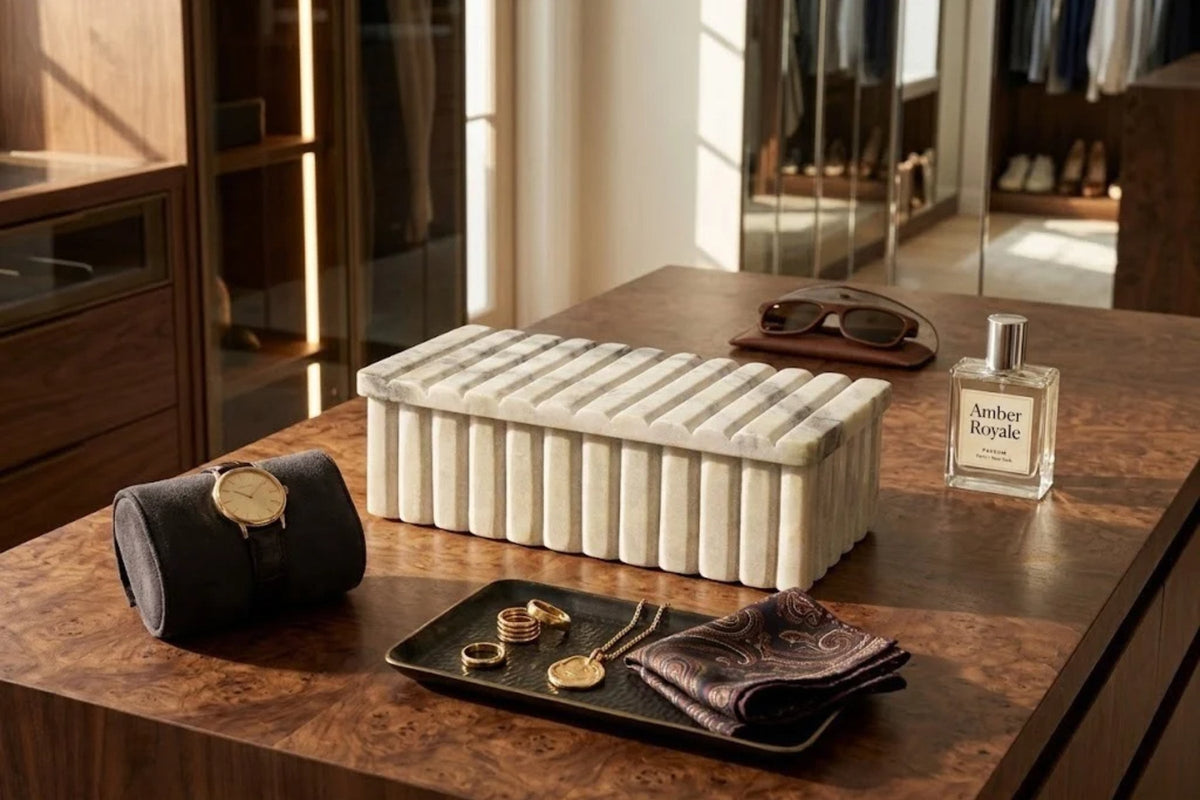
How to Choose a Decorative Box: What It Holds, Size and Material
A decorative box earns its place by its lid: what goes inside decides the size, and the room it sits in decides the material.
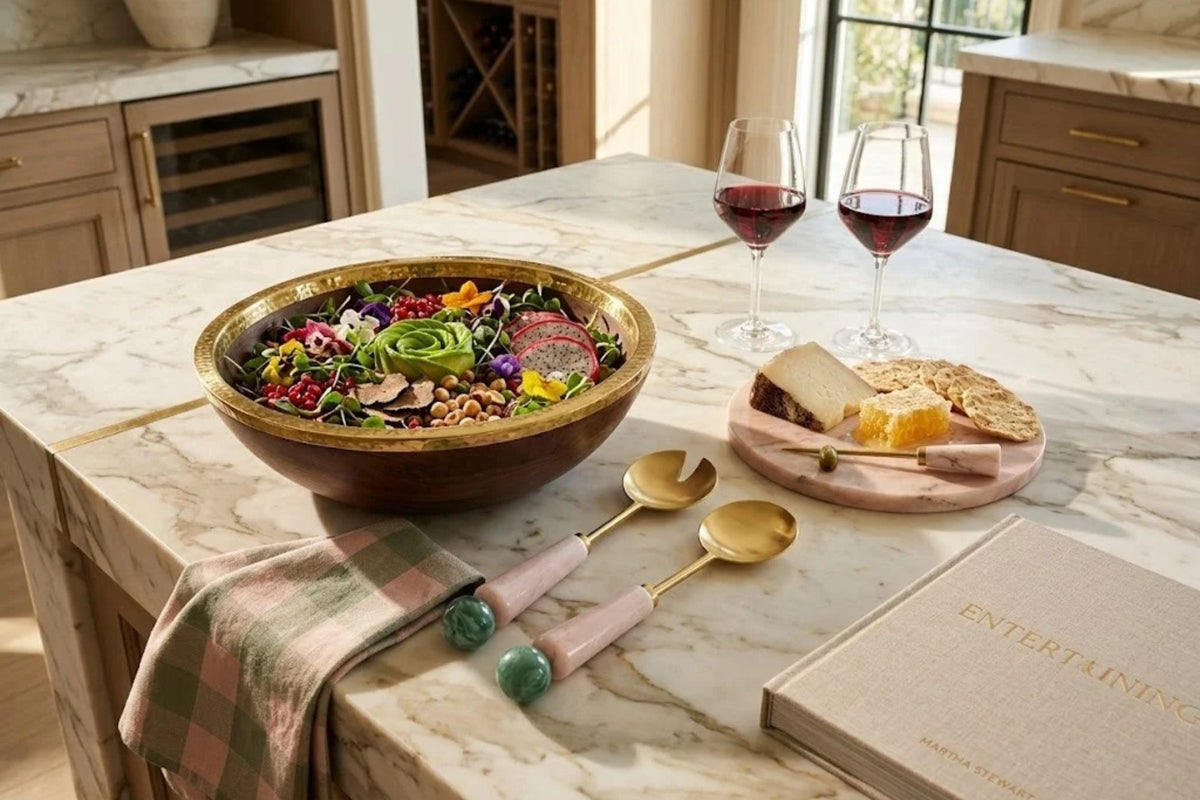
How to Choose Salad Servers: Material, Length and the Pair
Salad servers are wood, stainless steel or resin, and the part that meets the dressing matters more than the part that meets the hand.
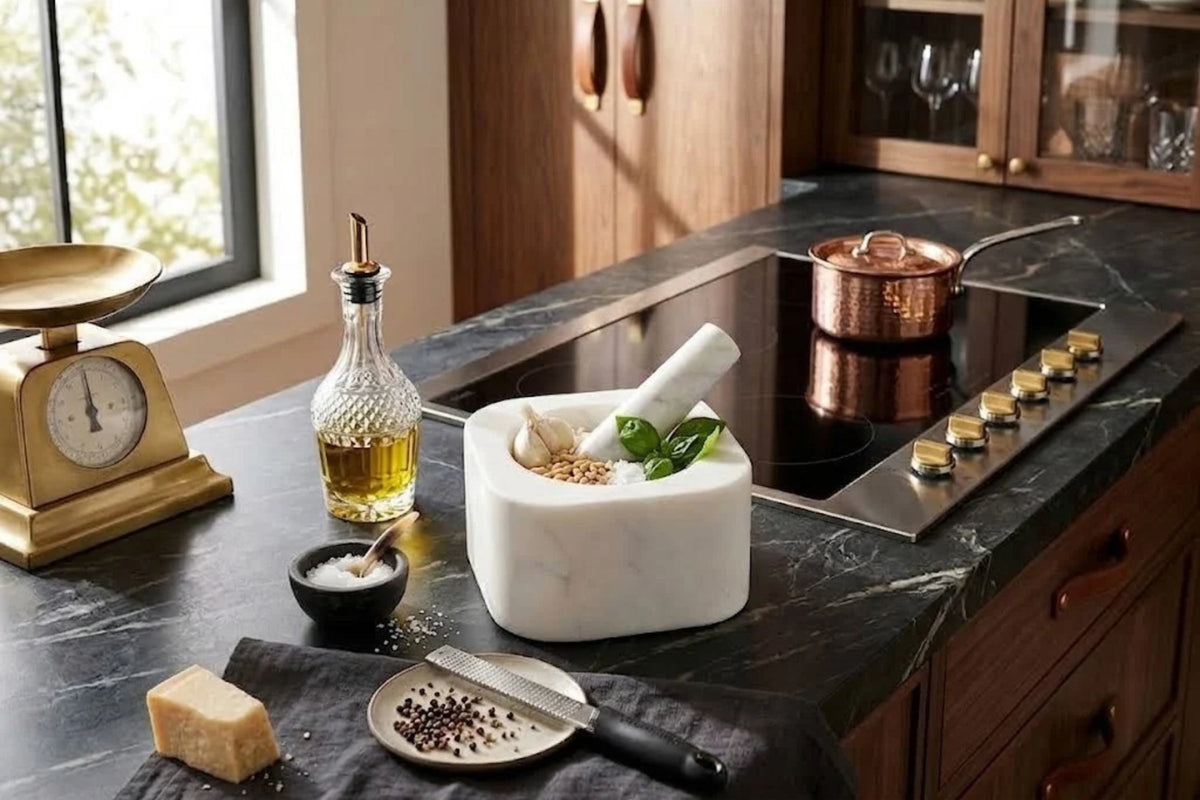
How to Choose a Mortar and Pestle: Size, Weight and Stone
A mortar is sized by the volume of the bowl and steadied by the weight of the block — 1.5 to 4 cups, at least five pounds, and a stone chosen for what it is being asked to grind.
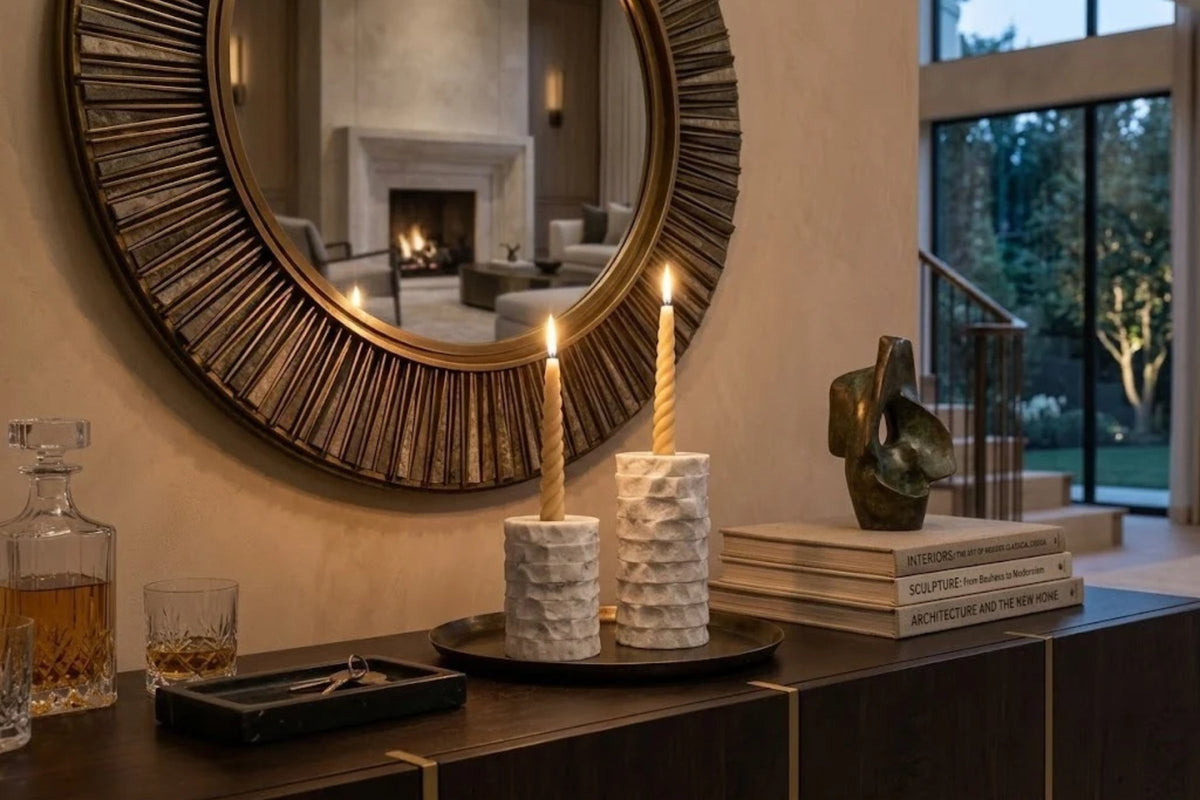
How to Choose Candle Holders for Taper Candles: Fit, Height and Stability
A taper holder is settled by one measurement before anything else — the standard taper is 7/8 inch at the base, and fit, height and weight decide the rest.

How to Choose a Wine Chiller: Stone, Ice and What Each Does
A stone wine cooler holds a temperature rather than creating one — which makes chilling the stone beforehand the decision that determines whether it works at all.
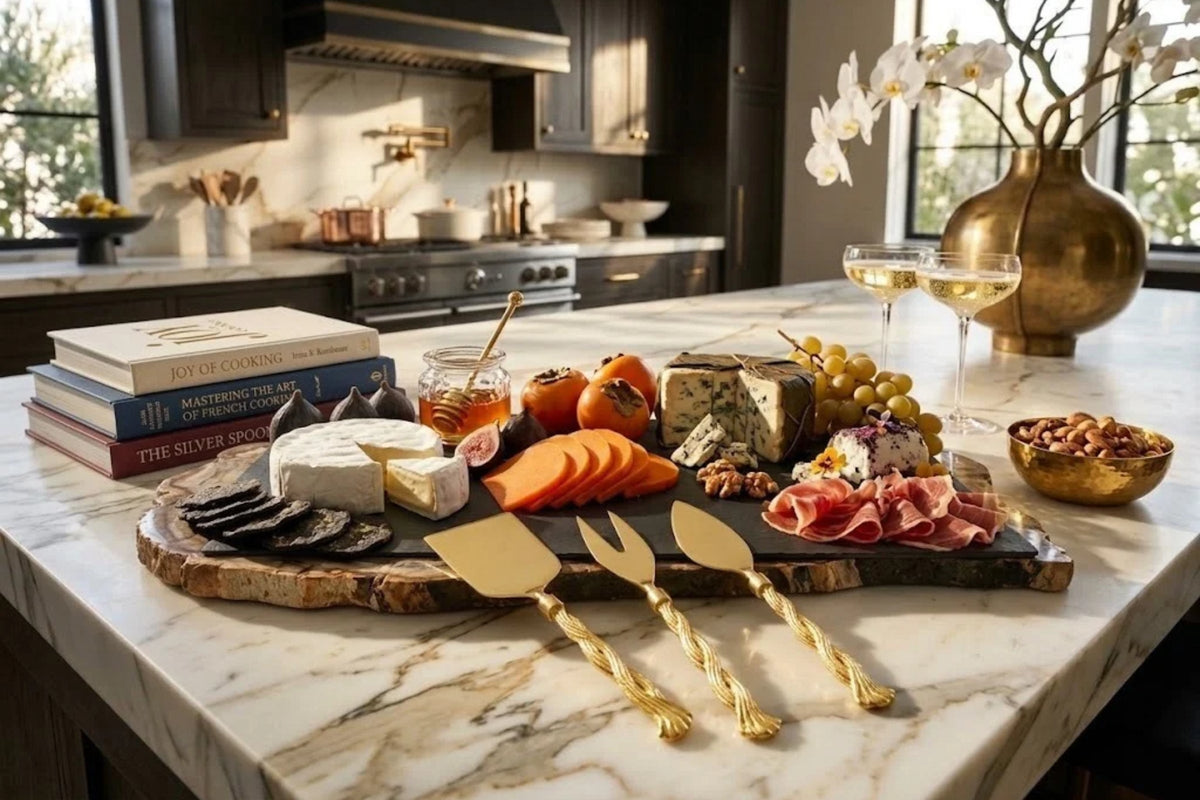
How to Choose Cheese Knives: Blade Shapes and What They Do
Three blade shapes cover most of a cheese board — perforated for soft, fork-tipped for semi-firm, spade for hard — and the division follows moisture, not cheese names.

How to Choose Bar Tools: What You Actually Need
Four tools make almost every cocktail — a jigger, a shaker, a strainer and a bar spoon. What separates one set from another is how each is built.

How to Choose Coasters: Stone, Absorbency and Ring Marks
A stone coaster does not absorb condensation — it intercepts it, and that distinction decides which coaster actually keeps a ring mark off the table.